


When it comes to the operation of rotary drilling rigs, one crucial component that often goes unnoticed but plays a pivotal role is the kelly bar. As a seasoned kelly bar supplier, I've encountered numerous inquiries regarding various aspects of kelly bars, with the question of "What is the diameter of a kelly bar?" being one of the most frequently asked. In this blog post, I'll delve into the details of kelly bar diameters, their significance, and how they impact the performance of rotary drilling rigs.
Understanding the Kelly Bar
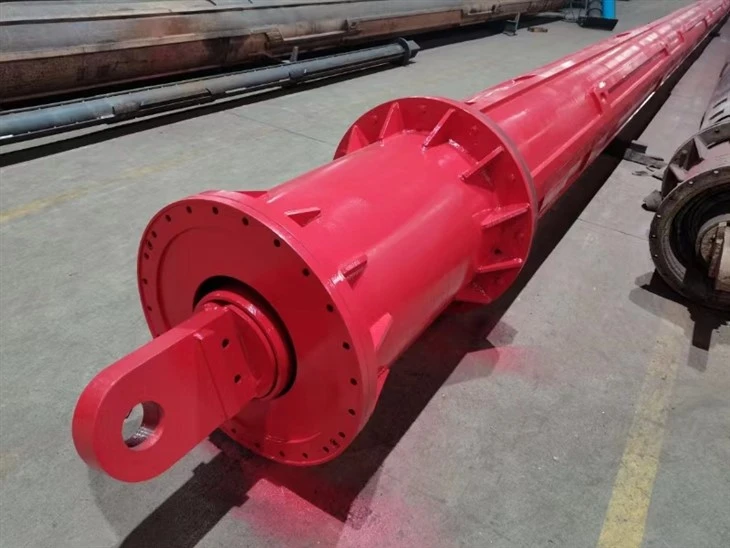
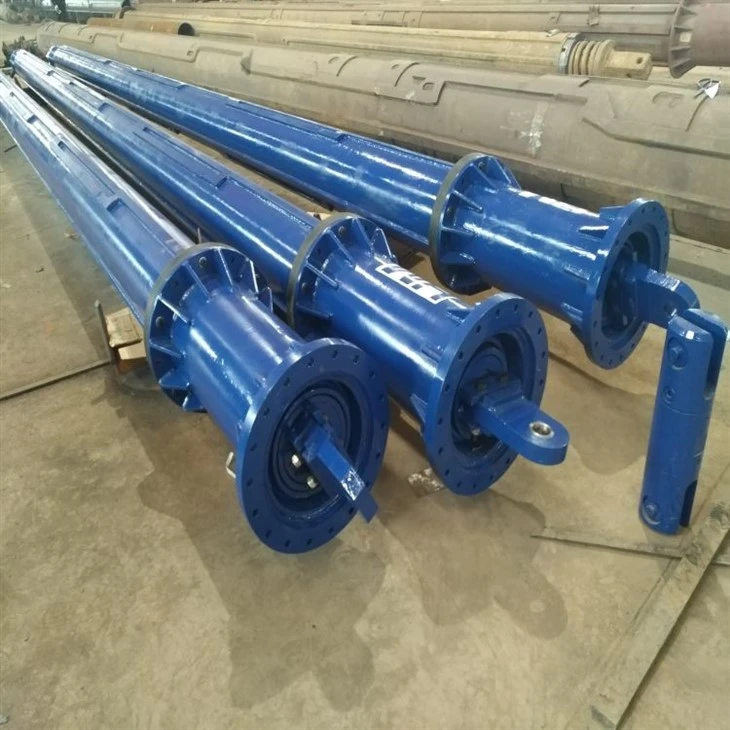
Before we dive into the topic of diameters, let's briefly understand what a kelly bar is. A kelly bar is a key part of a rotary drilling rig. It serves as a connection between the rig's power source and the drill bit. The kelly bar transfers torque and axial force from the rig to the drill bit, enabling the bit to penetrate the ground and create boreholes. There are different types of kelly bars, such as Interlocking Kelly Bar and Locking Kelly Bar Of Rotary Drilling Rig, each designed for specific drilling requirements.
The Importance of Kelly Bar Diameter
The diameter of a kelly bar is a critical parameter that affects several aspects of the drilling process. Firstly, it influences the torque transmission capacity. A larger diameter kelly bar can generally transmit more torque, which is essential for drilling in hard or compacted soil conditions. When the drill bit encounters resistance from the ground, a kelly bar with sufficient torque - transmitting ability can ensure that the bit continues to rotate effectively, preventing stalling and improving drilling efficiency.
Secondly, the diameter is related to the stability of the kelly bar during operation. A wider kelly bar provides better stability, especially when drilling deep boreholes. It helps to reduce the lateral deflection of the kelly bar, which can otherwise lead to inaccurate borehole alignment and potential damage to the drilling equipment.
Another important factor is the compatibility with the drill bit. The diameter of the kelly bar must be properly matched with the drill bit size. If the diameter is too small, the kelly bar may not be able to provide enough support and torque to the drill bit, resulting in poor drilling performance. On the other hand, if the diameter is too large, it may cause unnecessary weight and cost, as well as potential difficulties in handling and installation.
Common Kelly Bar Diameters
Kelly bar diameters can vary widely depending on the specific application and the size of the rotary drilling rig. In general, for small - to medium - sized drilling rigs used in residential or light - commercial construction projects, the kelly bar diameters typically range from 150 mm to 300 mm. These smaller diameters are suitable for relatively shallow and less demanding drilling tasks, such as foundation piles for small buildings or utility installations.
For larger and more powerful drilling rigs used in heavy - duty construction projects, such as high - rise building foundations, bridge piers, or large - scale infrastructure development, the kelly bar diameters can be much larger, often ranging from 300 mm to 600 mm or even more. These larger diameters are necessary to handle the high torque and axial forces required for deep and difficult drilling in hard rock or dense soil formations.
For example, our 60M Depth Kelly Bar for Rotary Drilling Rig is designed with appropriate diameters to meet the requirements of deep - hole drilling. The specific diameter selection is based on a comprehensive consideration of the expected drilling depth, soil conditions, and the power of the drilling rig.
Factors Affecting Diameter Selection
When selecting the diameter of a kelly bar, several factors need to be taken into account. The first and most obvious factor is the drilling depth. Deeper drilling generally requires a larger diameter kelly bar to ensure sufficient torque transmission and stability. As the drilling depth increases, the resistance from the soil or rock also increases, and a larger diameter kelly bar can better withstand these forces.
Soil conditions are another crucial factor. Different soil types, such as soft clay, sandy soil, or hard rock, have different levels of resistance to drilling. For soft soil, a relatively smaller diameter kelly bar may be sufficient. However, when drilling in hard rock, a larger diameter kelly bar is usually necessary to provide the required torque and strength.
The power of the drilling rig is also an important consideration. A more powerful rig can generate higher torque and axial forces, which means it can support a larger diameter kelly bar. If the kelly bar diameter is too small for the rig's power, the rig may not be able to fully utilize its capabilities, resulting in inefficient drilling.
Customization of Kelly Bar Diameters
As a kelly bar supplier, we understand that different customers have different drilling requirements. That's why we offer customization services for kelly bar diameters. We work closely with our customers to understand their specific needs, including the drilling depth, soil conditions, and rig specifications. Based on this information, we can design and manufacture kelly bars with the most appropriate diameters.
Our team of experienced engineers uses advanced design software and manufacturing techniques to ensure the quality and performance of the customized kelly bars. We also conduct strict quality control tests to guarantee that the kelly bars meet or exceed industry standards.
Conclusion
In conclusion, the diameter of a kelly bar is a crucial parameter that significantly impacts the performance of rotary drilling rigs. It affects torque transmission, stability, and compatibility with drill bits. When selecting the diameter, factors such as drilling depth, soil conditions, and rig power need to be carefully considered. As a professional kelly bar supplier, we are committed to providing high - quality kelly bars with the right diameters to meet the diverse needs of our customers.
If you are in the market for kelly bars or have any questions regarding kelly bar diameters, please feel free to contact us for more information and to discuss your specific requirements. We look forward to working with you to achieve successful drilling operations.
References
- Drilling Equipment Handbook, various editions
- Industry research reports on rotary drilling rig components