

As a supplier of Friction Kelly Bars, I've had extensive experience with these essential pieces of equipment in the construction and foundation drilling industry. While Friction Kelly Bars offer numerous advantages, it's crucial to understand their disadvantages to make informed decisions when selecting the right equipment for a project.
Limited Penetration in Hard Rock
One of the most significant drawbacks of Friction Kelly Bars is their limited effectiveness in hard rock formations. These bars rely on friction to transfer torque from the drill rig to the drill bit. In soft to medium - hard soils, this friction - based system works well. However, when encountering hard rock, the friction may not be sufficient to provide the necessary torque for efficient penetration.
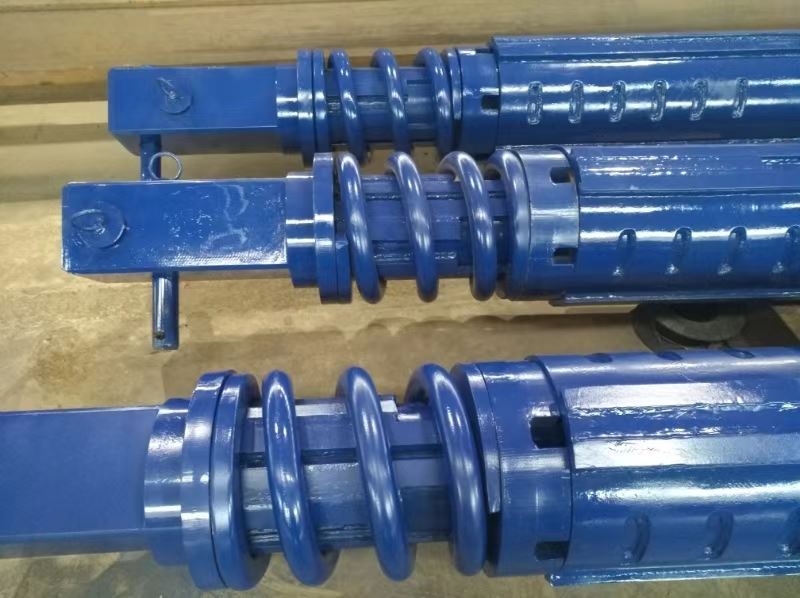

The frictional forces between the Kelly Bar sections can be overcome by the high resistance of hard rock, leading to slippage. This slippage not only reduces the drilling efficiency but also causes excessive wear on the bar's components. For example, the keys and bushings that rely on friction for torque transfer can wear out quickly, increasing maintenance costs and downtime. In projects where hard rock is prevalent, a Soilmec Interlocking Kelly Bar might be a more suitable alternative as it offers a more positive torque transfer mechanism through interlocking components.
Depth Limitations
Friction Kelly Bars also have certain depth limitations. As the drilling depth increases, the weight of the bar and the drill string becomes a significant factor. The frictional forces that hold the Kelly Bar sections together need to counteract the increasing weight and the resistance from the surrounding soil or rock. At greater depths, it becomes increasingly difficult to maintain sufficient friction to transfer torque effectively.
Typically, a 90M Depth Friction Kelly Bar is at the upper end of the practical depth range for these bars. Beyond this depth, the risk of slippage between the sections increases substantially. This limitation can be a major constraint in deep - foundation projects, such as high - rise building foundations or large - scale bridge piers, where greater drilling depths are often required. In such cases, alternative drilling systems or specialized Kelly Bars may need to be considered to achieve the desired depths.
Maintenance Requirements
Maintaining Friction Kelly Bars can be a challenging and costly task. The frictional surfaces, such as the keys and bushings, are subject to constant wear and tear during the drilling process. Regular inspection and maintenance are essential to ensure the proper functioning of the bar.
Over time, the keys can become worn, and the bushings may lose their grip, leading to reduced torque transfer efficiency. Replacing these worn components can be expensive, especially if the bar is used in a high - volume drilling operation. Additionally, the lubrication of the frictional surfaces is crucial to reduce wear. However, proper lubrication can be difficult to maintain, especially in dirty or wet drilling environments. Failure to maintain adequate lubrication can accelerate wear and potentially lead to premature failure of the bar.
Limited Adaptability to Different Soil Conditions
Friction Kelly Bars are designed with a specific set of frictional characteristics that are optimized for certain soil conditions. They may not perform well in highly variable soil profiles. For example, in areas where there are alternating layers of soft soil and hard clay or rock, the bar may struggle to adapt.
In soft soil, the bar may sink too quickly, and the frictional forces may not be properly engaged. On the other hand, when encountering hard layers, the limited torque transfer capabilities of the friction - based system can lead to inefficient drilling. This lack of adaptability can result in longer drilling times and increased fuel consumption as the drill rig has to work harder to overcome the changing soil conditions.
Safety Concerns
There are also some safety concerns associated with Friction Kelly Bars. The potential for slippage between the sections during operation poses a risk to the drill rig operators and the surrounding workers. If the bar slips suddenly, it can cause the drill bit to lose control, leading to unexpected movements and potential damage to the equipment or injury to the personnel.
Moreover, the high - torque forces and the weight of the bar can put significant stress on the drill rig's components. Over time, this stress can lead to mechanical failures, such as broken keys or damaged bushings, which can also pose a safety hazard. Regular safety inspections and proper training of the operators are essential to minimize these risks, but the inherent design of the Friction Kelly Bar still presents some safety challenges compared to other types of Kelly Bars.
Impact on Drilling Accuracy
Friction Kelly Bars can have a negative impact on drilling accuracy. The slippage between the sections can cause the drill bit to deviate from the intended drilling path. This is particularly problematic in projects where precise drilling is required, such as in the installation of piles for a building's foundation.
The lack of a rigid connection between the sections can also result in vibrations during drilling, which can further affect the accuracy of the hole. These vibrations can cause the drill bit to wander, leading to an irregularly shaped hole. In some cases, the deviation from the intended path may be significant enough to require corrective measures, such as redrilling or additional grouting, which can add to the project's cost and time.
Cost - Benefit Analysis
When considering the use of Friction Kelly Bars, a comprehensive cost - benefit analysis is necessary. While these bars are generally less expensive to purchase compared to some other types of Kelly Bars, the long - term costs associated with maintenance, limited depth capabilities, and potential inefficiencies in certain soil conditions need to be taken into account.
In some projects, the initial savings in the purchase price may be offset by the higher maintenance costs and the need for additional equipment or techniques to overcome the limitations of the Friction Kelly Bar. For example, if a project requires deep - foundation drilling in hard rock, the cost of using a Friction Kelly Bar may end up being higher in the long run due to the increased downtime for maintenance and the reduced drilling efficiency.
Conclusion
In conclusion, while Friction Kelly Bars have their place in the construction and foundation drilling industry, they also come with several disadvantages. Their limited effectiveness in hard rock, depth limitations, high maintenance requirements, lack of adaptability to different soil conditions, safety concerns, and impact on drilling accuracy are all factors that need to be carefully considered when selecting the appropriate drilling equipment for a project.
However, it's important to note that in the right circumstances, such as in soft to medium - hard soil conditions and for relatively shallow - depth drilling, Friction Kelly Bars can still be a viable and cost - effective option. If you're considering using a Friction Kelly Bar for your project, I encourage you to contact us for a detailed consultation. Our team of experts can help you evaluate whether a Friction Kelly Bar is the best choice for your specific needs and provide you with solutions to mitigate any potential disadvantages.
References
- Foundation Drilling Handbook, Various Authors
- Construction Equipment Magazine Articles on Drilling Equipment
- Industry Reports on Kelly Bar Performance and Applications