

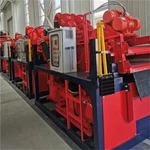

When it comes to the field of geotechnical engineering and construction, two tools that often come into play are the soil drilling bucket and the core barrel. Although they may seem similar at first glance, they serve different purposes and have distinct characteristics. As a supplier of soil drilling buckets, I'm here to shed light on the differences between these two essential tools.
Design and Structure
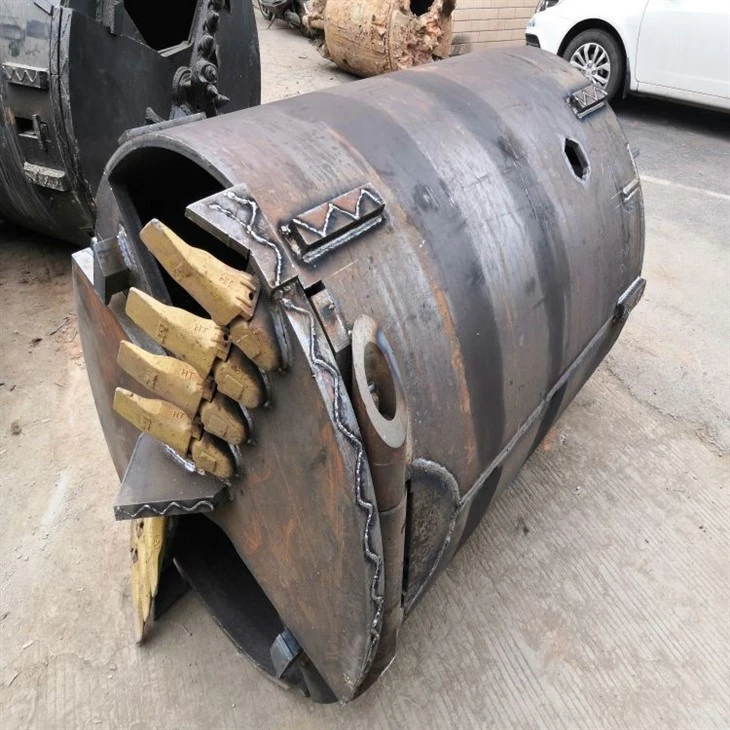
The soil drilling bucket is designed specifically for excavating and removing soil from boreholes. It typically consists of a cylindrical body with cutting teeth or blades at the bottom. These cutting elements are designed to penetrate the soil and break it up as the bucket rotates. The bucket is attached to a drill string, which is powered by a drilling rig. As the rig rotates the drill string, the soil drilling bucket digs into the ground, collecting the soil inside the bucket.
On the other hand, a core barrel is designed to extract a continuous cylindrical sample of the soil or rock from the ground. It has a more complex structure compared to the soil drilling bucket. A core barrel usually consists of an outer tube and an inner tube. The outer tube has cutting teeth at the bottom, similar to the soil drilling bucket, which are used to cut through the soil or rock. The inner tube is used to collect the core sample. As the core barrel rotates and advances into the ground, the cutting teeth cut a cylindrical core, which is then pushed into the inner tube.
Function and Purpose
The primary function of a soil drilling bucket is to remove soil from the borehole during the drilling process. It is commonly used in applications such as foundation construction, where large volumes of soil need to be excavated quickly. For example, when building a high - rise building, soil drilling buckets are used to create the foundation holes by removing the soil. They are efficient in handling various types of soil, including clay, sand, and gravel.
In contrast, the main purpose of a core barrel is to obtain undisturbed soil or rock samples for laboratory testing and analysis. These samples are crucial for understanding the geotechnical properties of the ground, such as its density, strength, and permeability. Engineers use this information to design safe and stable structures. For instance, in a tunneling project, core samples can help determine the best tunneling method and the appropriate support systems required.
Cutting and Sampling Mechanisms
The cutting mechanism of a soil drilling bucket is focused on breaking up and removing soil. The cutting teeth or blades are designed to be robust and durable, capable of withstanding the forces exerted during the drilling process. As the bucket rotates, the cutting elements scrape and shear the soil, allowing it to enter the bucket. Once the bucket is filled with soil, it is lifted out of the borehole, and the soil is emptied.
For a core barrel, the cutting mechanism is more precise. The cutting teeth are designed to cut a clean and continuous cylindrical core. The core is then carefully collected in the inner tube without disturbing its structure. This requires a more delicate balance of cutting forces to ensure that the core sample remains intact. Specialized core barrels are available for different types of soil and rock, such as soft soil core barrels and hard rock core barrels.
Efficiency and Performance
Soil drilling buckets are known for their high - speed excavation capabilities. They can remove large amounts of soil in a relatively short period. The design of the soil drilling bucket allows for quick filling and emptying, which increases the overall efficiency of the drilling process. For example, a Double Cut Soil Drilling Bucket is designed with two sets of cutting teeth, which can enhance the cutting efficiency and improve the rate of soil removal.
Core barrels, on the other hand, are slower in operation compared to soil drilling buckets. The process of obtaining a high - quality core sample requires more time and precision. The drilling speed needs to be carefully controlled to ensure that the core sample is not damaged. However, the value of the undisturbed core sample obtained from a core barrel often outweighs the slower speed, as it provides critical information for engineering design.
Adaptability to Different Ground Conditions
Soil drilling buckets are highly adaptable to a wide range of soil conditions. They can be used in both soft and hard soils. For soft soils, the cutting teeth can be designed to be more aggressive to penetrate the soil easily. In hard soils or gravelly conditions, the teeth can be made of more wear - resistant materials. A Rotary Rig Soil Drilling Bucket is suitable for use with rotary drilling rigs and can handle different soil types effectively.
Core barrels also need to be adapted to different ground conditions. For soft soils, a core barrel with a special inner tube design may be required to prevent the core from collapsing. In hard rock, a core barrel with diamond - tipped cutting teeth may be used to cut through the rock effectively. However, the adaptability of core barrels is more focused on obtaining a high - quality core sample rather than just excavation.
Capacity and Size
Soil drilling buckets come in a variety of sizes and capacities. They can range from small - diameter buckets used in residential foundation work to large - diameter buckets for large - scale construction projects. A Big Diameter Soil Drilling Bucket can have a diameter of several meters and can hold a large volume of soil, which is ideal for deep foundation construction.
Core barrels, on the other hand, are typically smaller in diameter compared to soil drilling buckets. The size of the core barrel is determined by the requirements of the core sample. Small - diameter core barrels are often used when only a small amount of sample is needed, while larger - diameter core barrels are used for more comprehensive testing.
Cost and Maintenance
In general, soil drilling buckets are more cost - effective in terms of initial purchase price. They are relatively simple in design, which makes them less expensive to manufacture. Maintenance of soil drilling buckets is also relatively straightforward. The main maintenance task is to replace the worn - out cutting teeth periodically.

Core barrels, due to their more complex design and the need for precision, are usually more expensive. The cost of a core barrel can be significantly higher than that of a soil drilling bucket, especially those with high - quality cutting elements such as diamond - tipped teeth. Maintenance of core barrels is also more complicated, as it requires careful inspection and adjustment to ensure that the core sample is obtained correctly.
Conclusion
In conclusion, while both soil drilling buckets and core barrels are important tools in geotechnical engineering and construction, they have distinct differences in design, function, and performance. Soil drilling buckets are excellent for rapid soil excavation, while core barrels are essential for obtaining undisturbed soil and rock samples.
If you are involved in a project that requires soil excavation, our company offers a wide range of high - quality soil drilling buckets, including the Double Cut Soil Drilling Bucket, Rotary Rig Soil Drilling Bucket, and Big Diameter Soil Drilling Bucket. Our products are designed to meet your specific needs and ensure efficient and reliable performance. If you are interested in our soil drilling buckets or have any questions about their application, please feel free to contact us for further discussion and procurement negotiation.
References
- Bowles, J. E. (1996). Foundation Analysis and Design. McGraw - Hill.
- Coduto, D. P., Kitch, K. L., & Braja M. Das. (2011). Foundation Design: Principles and Practices. Wiley.
- ASTM International. (2017). Standard Practices for Sampling Soils and Rock for Environmental Purposes. ASTM D4547 - 17.