


Hey there! As a casing joint supplier, I've often been asked about the difference between on - shore and off - shore casing joints. Well, let's dive right in and break it down.
1. Environmental Factors
First off, the environment where these casing joints are used plays a huge role. On - shore operations are mainly on land. The environmental conditions here are relatively stable compared to off - shore. Temperature and humidity changes on land are more predictable. For example, in a desert on - shore oilfield, the temperature can vary greatly between day and night, but we can usually anticipate these changes based on historical data.
On the other hand, off - shore environments are extremely harsh. The casing joints out there have to deal with saltwater corrosion. The constant exposure to saltwater can cause significant damage to the metal of the casing joints over time. Waves and strong ocean currents also put mechanical stress on the joints. A big storm can create huge forces that the casing joints need to withstand to ensure the integrity of the oil well.

2. Material Requirements
Due to the different environmental conditions, the materials used for on - shore and off - shore casing joints are different. For on - shore casing joints, we have more flexibility in material selection. Mild steel can often be used in areas where the environmental stress is low. However, in regions with corrosive soil, we might need to use corrosion - resistant alloys.
Off - shore casing joints, however, almost always require high - grade, corrosion - resistant materials. Stainless steel is a common choice because it can resist the corrosive effects of saltwater. Some advanced off - shore projects even use super - alloys that are specifically designed to withstand the extreme conditions of the ocean. For instance, alloys with high nickel and chromium content can provide excellent corrosion resistance.
3. Installation and Maintenance
Installing on - shore casing joints is generally less complicated. Since the operations are on land, we can use standard construction equipment like cranes and drilling rigs. The transportation of the casing joints to the on - shore site is also easier as we can use trucks and trains. Maintenance is also more straightforward. Workers can easily access the casing joints for inspection and repair.
Off - shore installation is a whole different ballgame. Specialized vessels are needed to transport and install the casing joints. These vessels are equipped with advanced lifting and positioning systems to ensure the accurate placement of the joints in the deep - sea environment. Maintenance is also more challenging. It often requires remotely operated vehicles (ROVs) to inspect the joints. If a repair is needed, it can be very expensive and time - consuming as it might involve sending a team of divers or using advanced robotic repair systems.
4. Cost
Cost is another significant difference. On - shore casing joints are generally more cost - effective. The lower material cost and simpler installation process contribute to this. The maintenance cost is also relatively low.
Off - shore casing joints, due to the high - grade materials, complex installation, and difficult maintenance, are much more expensive. The cost of the specialized vessels and equipment for off - shore operations adds a significant amount to the overall cost.
5. Regulatory Requirements
On - shore operations are subject to local and national regulations. These regulations mainly focus on environmental protection, safety, and land use. For example, in some areas, we need to obtain permits to ensure that the drilling operations do not cause damage to the local ecosystem.
Off - shore operations are regulated by international and national laws. There are strict rules regarding environmental protection in the marine environment. For example, the discharge of any pollutants during the installation and operation of the off - shore casing joints is strictly prohibited.
Our Product Offerings
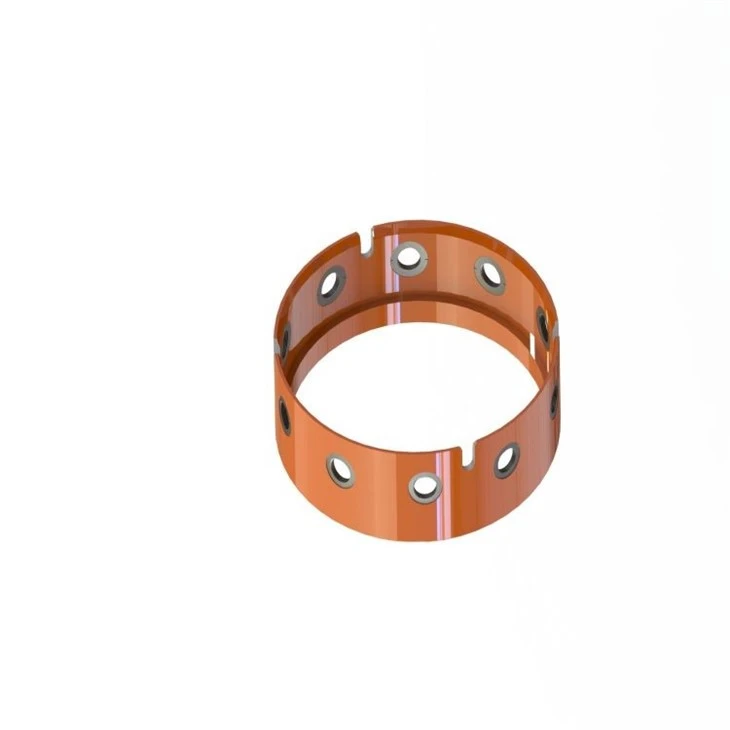
As a casing joint supplier, we have a wide range of products to meet both on - shore and off - shore needs. If you're looking for a Replaceable Casing Joint, we've got you covered. This type of joint is great for both on - shore and off - shore applications as it can be easily replaced when damaged, reducing maintenance time and cost.
Our 25crmo Casing Joint is a high - quality option. It has excellent mechanical properties and can be used in various on - shore and off - shore projects.
For those tough off - shore jobs, our Forging Casing Joint is a top - notch choice. The forging process gives it superior strength and durability, making it suitable for withstanding the harsh ocean environment.
Contact Us for Procurement
If you're in the market for casing joints, whether it's for an on - shore or off - shore project, we'd love to hear from you. We can provide you with detailed product information, quotes, and technical support. Our team of experts is always ready to help you find the right casing joints for your specific needs. Don't hesitate to reach out and start the procurement process with us.
References
- API (American Petroleum Institute) standards for casing joints
- Industry reports on on - shore and off - shore oil and gas operations
- Research papers on materials for corrosion - resistant casing joints