


Hey there! As a tremie pipe supplier, I've dealt with a whole bunch of questions from clients over the years. One query that pops up quite often is about the function of the buffer in a tremie pipe system. So, I thought I'd take some time to break it down here and give you a really clear understanding.
First off, let's quickly go over what a tremie pipe system actually is. A tremie pipe is a long, vertical pipe used mainly in construction, especially in underwater concrete pouring. It's a crucial tool when you're building things like piers, foundations for bridges, and other underwater structures. The pipe allows concrete to be placed at the right spot underwater without getting disrupted by the water, which could mess up the concrete's setting process.

Now, let's dive into the buffer. The buffer in a tremie pipe system is like a little hero that plays multiple important roles.
Separation
One of the main functions of the buffer is to separate the fresh concrete from the water. When you start pouring concrete into the tremie pipe, you don't want the water getting in there and mixing with the concrete. If water dilutes the concrete, it can significantly reduce its strength and durability. The buffer acts as a barrier. It's usually placed at the bottom of the tremie pipe before the concrete is poured. Once the concrete starts flowing down, the buffer keeps the water and the concrete from coming into contact until the concrete reaches its destination at the bottom of the water body.
Preventing Segregation
Concrete is a mixture of different materials like cement, aggregates (sand and gravel), and water. If the concrete is not properly handled, these materials can start to separate from each other, which is called segregation. Segregated concrete doesn't have the right properties and won't be able to provide the required strength for the structure. The buffer helps in preventing this segregation. As the concrete moves down the tremie pipe, the buffer creates a smooth flow. It stops the heavier aggregates from settling at the bottom and the lighter materials from rising to the top. This ensures that the concrete remains homogeneous and retains its ideal properties.
Maintaining Pressure
Another vital function is in maintaining the right pressure within the tremie pipe. When you're pouring concrete, you need to have consistent pressure to make sure the concrete flows smoothly and reaches the right place. The buffer contributes to this pressure regulation. As the concrete pushes the buffer down through the pipe, it creates a kind of plug. This plug helps in maintaining a stable flow of concrete and prevents any sudden pressure drops or surges. Without a proper buffer, the pressure within the pipe could fluctuate, leading to an uneven flow of concrete and potentially causing issues with the pour.
Impact Absorption
When the concrete reaches the bottom of the water body, it has some momentum. The impact of the concrete hitting the surface can create shockwaves. These shockwaves could disrupt the already placed concrete or the surrounding soil. The buffer acts as an impact absorber. It softens the blow of the concrete hitting the bottom. This way, it protects the integrity of the structure being built and the stability of the surrounding environment.
Now, let's talk a bit about the different types of buffers that are commonly used. There are various materials that can serve as buffers, such as rubber balls, plastic plugs, and even specially designed concrete plugs. Each type has its own advantages and is chosen based on factors like the size of the tremie pipe, the type of concrete being used, and the specific requirements of the project.
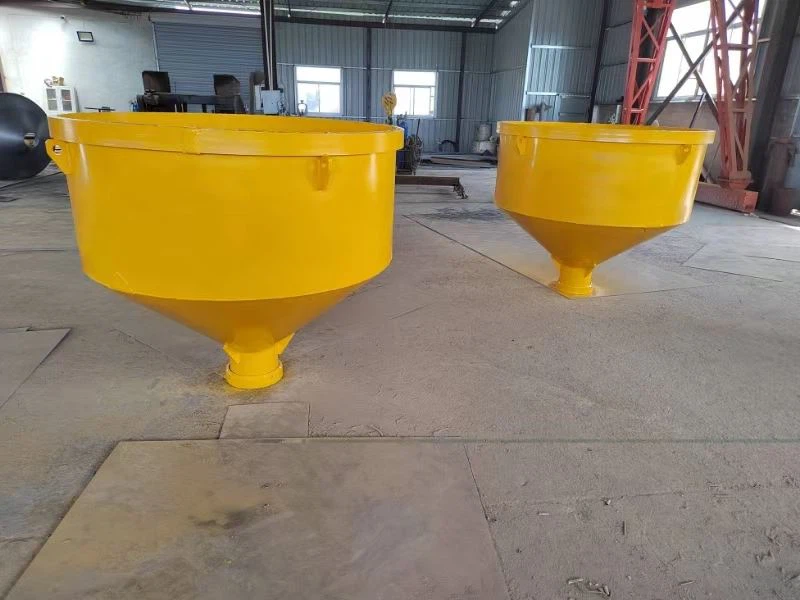
If you're in the market for tremie pipes and related accessories, we've got you covered. We offer a wide range of high - quality products, including Tremie Coupling Cable, Tremie Hopper, and Threaded Tremie Pipe. Our products are designed to meet the highest industry standards and ensure a smooth and successful concrete pouring process.
Whether you're a construction company, a contractor, or someone involved in a building project, having the right tremie pipe system with a proper buffer is essential for getting the job done right. If you're interested in learning more about our products or have any questions about how to choose the best buffer for your specific needs, don't hesitate to reach out. We're here to help you make the right decisions and ensure that your project runs without a hitch.
In conclusion, the buffer in a tremie pipe system is not just a small part; it's a key component that plays a crucial role in the overall success of underwater concrete pouring. It ensures the quality of the concrete, the stability of the pour, and the integrity of the structure being built. So, if you're planning an underwater construction project, make sure you give due consideration to the buffer in your tremie pipe system.
If you're ready to start discussing your procurement needs, we're eager to talk with you. Just drop us a line, and we can start the conversation about how our tremie pipe products can fit into your project.
References
- Concrete Construction Handbook.
- Underwater Construction Manual.