


In the intricate landscape of oil and gas exploration and production, every component plays a crucial role in ensuring the efficiency, safety, and longevity of a well. Among these components, the casing joint stands out as a fundamental element that significantly impacts the overall performance of oil and gas wells. As a dedicated casing joint supplier, I have witnessed firsthand the importance of these components and their diverse applications in the industry. In this blog post, I will delve into the role of a casing joint in oil and gas wells, exploring its functions, types, and the factors that make it an indispensable part of the drilling process.
Functions of a Casing Joint
Wellbore Integrity
One of the primary functions of a casing joint is to provide structural support to the wellbore. During the drilling process, the wellbore is exposed to various forces, including high pressure, temperature variations, and mechanical stress. Without proper support, the wellbore can collapse, leading to costly downtime and potential safety hazards. Casing joints are designed to withstand these forces and maintain the integrity of the wellbore, preventing it from collapsing or caving in.
Zonal Isolation
Another critical function of a casing joint is to isolate different zones within the wellbore. In an oil or gas well, there are often multiple layers of rock and sediment, each with its own unique properties and fluid content. Casing joints are used to separate these zones, preventing the migration of fluids between them. This is essential for maintaining the quality of the produced oil or gas and preventing contamination of groundwater sources.
Protection of Drilling Equipment
Casing joints also play a vital role in protecting the drilling equipment from damage. As the drill bit penetrates the rock, it generates a significant amount of heat and friction. Casing joints act as a barrier between the drill bit and the wellbore wall, reducing the wear and tear on the drilling equipment and extending its lifespan. Additionally, casing joints can help to prevent the intrusion of debris and other foreign objects into the wellbore, which can cause damage to the drilling equipment and disrupt the drilling process.

Types of Casing Joints
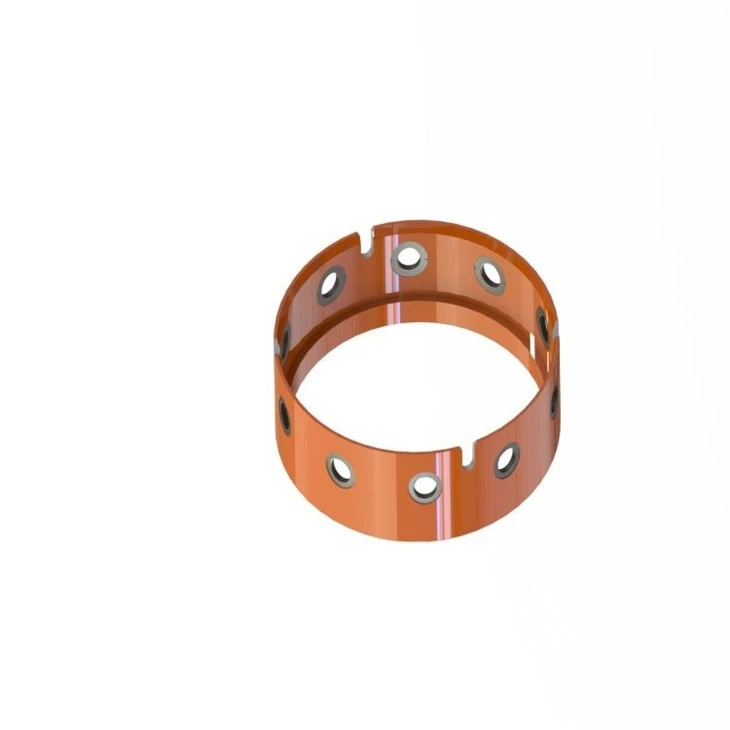
Bauer Casing Joint
The Bauer Casing Joint is a popular type of casing joint that is widely used in the oil and gas industry. It is characterized by its unique design, which features a tapered thread and a shoulder that provides a tight seal between the casing joints. Bauer casing joints are known for their high strength, durability, and resistance to corrosion, making them ideal for use in harsh environments.
25crmo Casing Joint
The 25crmo Casing Joint is another type of casing joint that is commonly used in oil and gas wells. It is made from a high-strength alloy steel that contains chromium and molybdenum, which gives it excellent mechanical properties and resistance to corrosion. 25crmo casing joints are often used in deep wells and high-pressure applications, where they can withstand the extreme conditions and provide reliable performance.
Forging Casing Joint
The Forging Casing Joint is a type of casing joint that is produced through a forging process. Forging involves heating a metal billet and then shaping it into the desired form using a hammer or press. This process results in a casing joint that has a uniform grain structure and high strength, making it suitable for use in demanding applications. Forging casing joints are often used in offshore oil and gas wells, where they can withstand the high pressures and harsh environmental conditions.
Factors Affecting the Performance of Casing Joints
Material Selection
The choice of material is a critical factor that affects the performance of casing joints. Different materials have different properties, such as strength, corrosion resistance, and fatigue resistance. When selecting a casing joint, it is important to consider the specific requirements of the well, including the depth, pressure, temperature, and fluid composition. For example, in a corrosive environment, a casing joint made from a corrosion-resistant alloy, such as stainless steel or nickel-based alloy, may be required.
Thread Design
The thread design of a casing joint is another important factor that affects its performance. The thread provides the connection between the casing joints and must be able to withstand the high loads and stresses during the drilling and production process. There are several types of thread designs available, including API threads, premium threads, and proprietary threads. Each type of thread has its own advantages and disadvantages, and the choice of thread design depends on the specific requirements of the well.
Installation and Maintenance
Proper installation and maintenance are essential for ensuring the performance and longevity of casing joints. During the installation process, it is important to follow the manufacturer's instructions and use the correct tools and techniques. Improper installation can lead to leaks, failures, and other problems that can compromise the integrity of the well. Additionally, regular maintenance, such as inspection, cleaning, and lubrication, is necessary to prevent corrosion and wear and tear on the casing joints.
Conclusion
In conclusion, the casing joint plays a vital role in the oil and gas industry. It provides structural support to the wellbore, isolates different zones within the well, protects the drilling equipment, and ensures the integrity of the well. There are several types of casing joints available, each with its own unique properties and applications. When selecting a casing joint, it is important to consider the specific requirements of the well, including the depth, pressure, temperature, and fluid composition. Proper installation and maintenance are also essential for ensuring the performance and longevity of casing joints.
As a casing joint supplier, we are committed to providing high-quality casing joints that meet the needs of our customers. Our casing joints are made from the highest quality materials and are manufactured using the latest technology and processes. We offer a wide range of casing joints, including Bauer Casing Joint, 25crmo Casing Joint, and Forging Casing Joint, to meet the diverse needs of the oil and gas industry.
If you are in the market for casing joints, we invite you to contact us to discuss your specific requirements. Our experienced sales team will be happy to provide you with more information about our products and services and help you select the right casing joints for your well. We look forward to working with you and helping you achieve your goals in the oil and gas industry.
References
- API Specification 5CT, "Specification for Casing and Tubing," American Petroleum Institute.
- Spears & Associates, "Worldwide Drilling Cost Trends," Spears & Associates.
- Smith, J. D., & Johnson, R. H. (2007). "Casing and Tubing Design Handbook," Gulf Publishing Company.