


What is the vibration level of a rock drilling auger during operation?
As a supplier of rock drilling augers, I've often been asked about the vibration levels during their operation. Understanding these vibration levels is crucial, not only for the performance of the equipment but also for the safety and comfort of the operators.
The Basics of Rock Drilling Augers
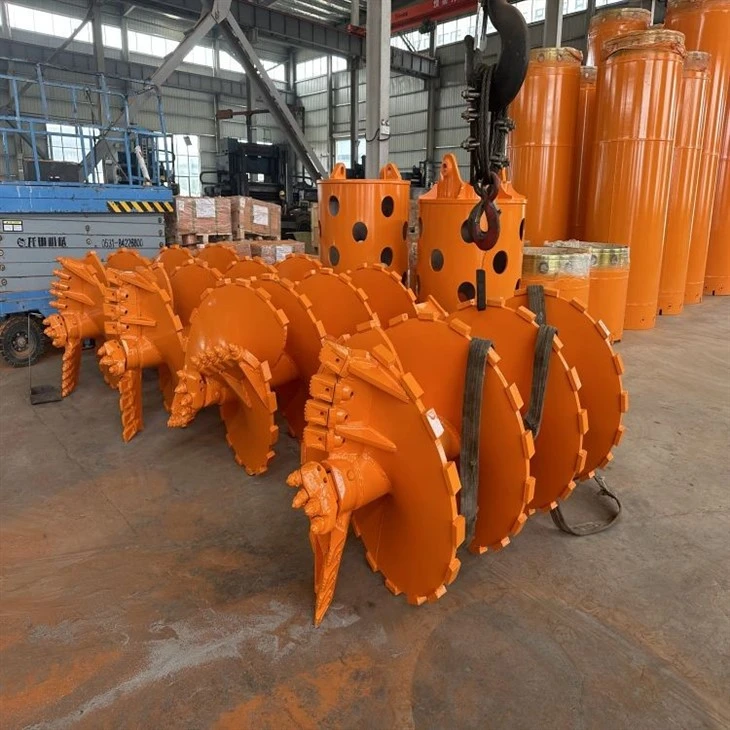
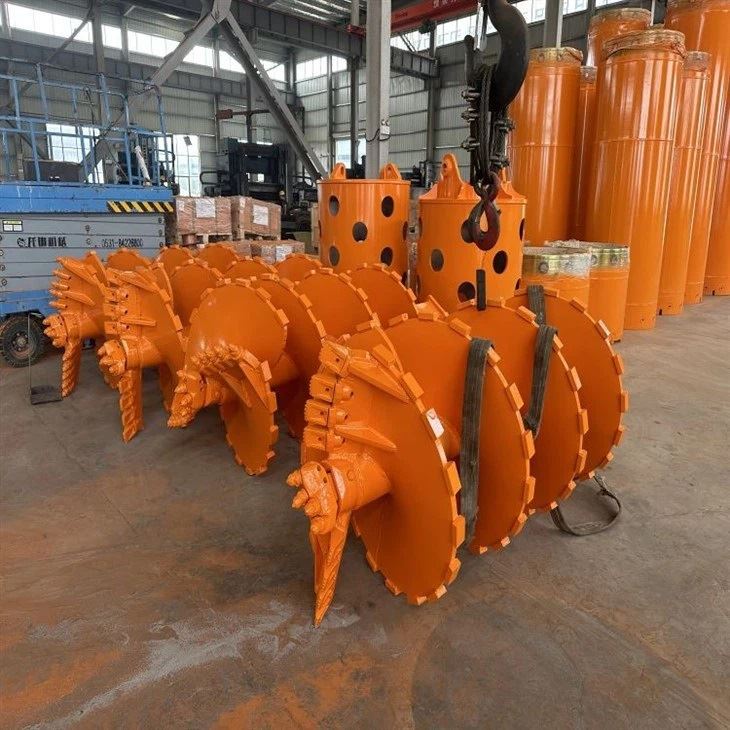
Before delving into the vibration levels, let's briefly understand what rock drilling augers are. Rock drilling augers are essential tools used in various construction and mining projects. They are designed to penetrate hard rock surfaces and extract material efficiently. There are different types of rock drilling augers available in the market, each with its unique features and applications. For instance, the Flat Rock Drilling Auger is known for its flat design, which provides stability during drilling. The Single Spiral Rock Drilling Auger has a single spiral blade that helps in efficient material removal. And the Conical Rock Drilling Auger is designed with a conical shape, which is ideal for precise drilling in hard rock formations.
Factors Affecting Vibration Levels
Several factors can influence the vibration levels of a rock drilling auger during operation.
1. Rock Hardness
The hardness of the rock being drilled is one of the most significant factors. Harder rocks require more force to penetrate, which can lead to increased vibration levels. When the auger encounters a particularly hard rock layer, it has to work harder, causing more intense vibrations. For example, granite is a very hard rock, and drilling through it will result in higher vibration levels compared to softer rocks like limestone.
2. Auger Design
The design of the auger also plays a crucial role. Augers with poorly designed blades or uneven weight distribution can cause excessive vibrations. A well - designed auger, on the other hand, is more balanced and can reduce vibration levels. For instance, an auger with a smooth spiral design and properly shaped blades will have less resistance during drilling, resulting in lower vibrations.
3. Drill Rig Speed
The speed at which the drill rig operates can affect the vibration levels. Higher speeds generally lead to more vibrations. When the drill rig rotates the auger too quickly, it can cause the auger to bounce and vibrate more. Operators need to find the optimal speed for each drilling situation to minimize vibrations.
4. Bit Condition
The condition of the drill bit is another important factor. A worn - out or damaged bit can cause uneven drilling and increase vibration levels. A sharp and well - maintained bit will cut through the rock more smoothly, reducing vibrations. Regular inspection and replacement of the drill bit are essential to keep the vibration levels in check.
Measuring Vibration Levels
Measuring the vibration levels of a rock drilling auger is important to ensure safe and efficient operation. There are several methods and tools available for measuring vibrations.
1. Accelerometers
Accelerometers are commonly used to measure vibration levels. These devices can be attached to the auger or the drill rig to measure the acceleration of the vibrations. The data collected by the accelerometer can be analyzed to determine the amplitude, frequency, and duration of the vibrations.
2. Vibration Meters
Vibration meters are also used to measure the overall vibration levels. These meters can provide a numerical value that represents the intensity of the vibrations. They are easy to use and can give operators a quick indication of whether the vibration levels are within acceptable limits.
The Impact of High Vibration Levels
High vibration levels during rock drilling auger operation can have several negative impacts.
1. Equipment Damage
Excessive vibrations can cause damage to the auger, drill rig, and other components of the drilling equipment. The constant shaking can loosen bolts, damage bearings, and wear out the auger blades more quickly. This can lead to increased maintenance costs and downtime for the equipment.
2. Operator Fatigue and Injury
High vibrations can also have a significant impact on the operators. Prolonged exposure to high - level vibrations can cause fatigue, discomfort, and even long - term health problems. Vibration - induced white finger (VWF), also known as Raynaud's phenomenon, is a common condition among operators exposed to high vibrations. This condition affects the blood vessels in the fingers, causing pain, numbness, and reduced dexterity.
3. Drilling Accuracy
High vibrations can also affect the accuracy of the drilling. The shaking can cause the auger to deviate from the intended drilling path, resulting in inaccurate holes. This can be a major problem in projects where precise drilling is required, such as in foundation construction or mining exploration.
Controlling Vibration Levels
To reduce the vibration levels during rock drilling auger operation, several measures can be taken.
1. Proper Equipment Selection
Selecting the right auger and drill rig for the job is essential. Consider the hardness of the rock, the depth of the drilling, and other project requirements when choosing the equipment. A well - matched auger and drill rig will be more efficient and have lower vibration levels.
2. Maintenance and Inspection
Regular maintenance and inspection of the equipment are crucial. Keep the auger, drill bit, and other components in good condition. Check for loose bolts, worn - out parts, and any signs of damage. Replace any damaged parts immediately to prevent increased vibration levels.
3. Operator Training
Proper operator training is also important. Operators should be trained to operate the drill rig at the optimal speed, adjust the drilling parameters based on the rock conditions, and recognize the signs of excessive vibrations. They should also be aware of the safety precautions to take when working with high - vibration equipment.
Conclusion
In conclusion, understanding the vibration levels of a rock drilling auger during operation is essential for the safety, efficiency, and longevity of the equipment. By considering the factors that affect vibration levels, measuring the vibrations, and taking appropriate measures to control them, operators can ensure a smooth and successful drilling operation.
If you are in the market for high - quality rock drilling augers or have any questions about vibration levels and how to manage them, we are here to help. Our team of experts can provide you with the best advice and solutions for your drilling needs. Contact us to start a discussion about your requirements and explore the possibilities of working together.
References
- American Society of Mechanical Engineers (ASME). (20XX). Standards for Drilling Equipment Vibration Management.
- International Labour Organization (ILO). (20XX). Guidelines for Protecting Workers from Vibration - Induced Health Risks.
- Manufacturer's Manuals for Rock Drilling Augers and Drill Rigs.