


Hey there! As a casing joint supplier, I often get asked about the service life of a casing joint. It's a crucial question, especially for those in the oil and gas industry, construction, and other fields where casing joints are widely used. In this blog, I'll share some insights on what affects the service life of a casing joint and how you can make the most of it.
What Are Casing Joints?
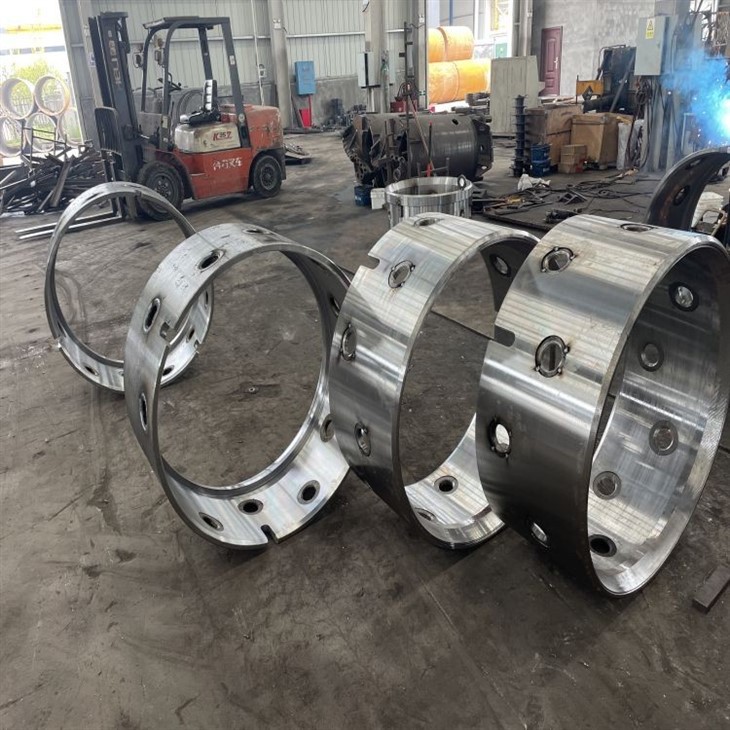
Before we dive into the service life, let's quickly talk about what casing joints are. Casing joints are essential components used in various applications, mainly in the oil and gas industry for well construction. They are used to connect different sections of casing pipes, providing structural integrity and preventing the collapse of the wellbore. There are different types of casing joints, such as Replaceable Casing Joint, 25crmo Casing Joint, and Forging Casing Joint, each with its own unique features and applications.
Factors Affecting the Service Life of a Casing Joint
Material Quality
The quality of the material used to manufacture the casing joint is one of the most significant factors affecting its service life. High - quality materials can withstand more stress, corrosion, and wear. For example, a casing joint made from premium alloy steel will generally have a longer service life compared to one made from lower - grade materials. These high - quality materials are designed to resist the harsh conditions found in oil wells, such as high pressure, high temperature, and corrosive fluids.

Operating Conditions
The environment in which the casing joint operates plays a huge role in determining its service life. If the joint is used in a well with high - pressure and high - temperature conditions, it will experience more stress and wear. Similarly, exposure to corrosive substances like saltwater, hydrogen sulfide, and carbon dioxide can significantly reduce the service life of the casing joint. In addition, the frequency of use and the type of operations (e.g., drilling, production) also impact how long the joint will last.
Installation and Maintenance
Proper installation is crucial for the long - term performance of a casing joint. If the joint is not installed correctly, it can lead to misalignment, uneven stress distribution, and premature failure. Regular maintenance, including inspection for signs of wear, corrosion, and damage, is also essential. Timely replacement of worn - out parts and proper cleaning can extend the service life of the casing joint.
Estimating the Service Life
It's difficult to give an exact number for the service life of a casing joint because it depends on so many factors. However, in general, a well - made and properly maintained casing joint can last anywhere from 10 to 30 years. In some cases, with ideal operating conditions and high - quality materials, the service life could even be longer.
For example, in a relatively mild operating environment with low pressure, low temperature, and no significant corrosive agents, a casing joint might last towards the upper end of that range. On the other hand, in a harsh environment with extreme conditions, the service life could be closer to the lower end or even shorter if proper maintenance is not carried out.
Extending the Service Life of Casing Joints
Selecting the Right Type
Choosing the appropriate type of casing joint for your specific application is the first step in extending its service life. For example, if you're working in a corrosive environment, a Replaceable Casing Joint might be a good option as it allows for easy replacement of worn - out parts. If you need a joint with high strength, a Forging Casing Joint could be more suitable.
Regular Inspection and Maintenance
Set up a regular inspection schedule to check for any signs of wear, corrosion, or damage. This can include visual inspections, non - destructive testing methods like ultrasonic testing and magnetic particle testing. If any issues are detected, take immediate action to repair or replace the affected parts.
Protecting Against Corrosion
Use corrosion - resistant coatings and inhibitors to protect the casing joint from corrosive substances. This can significantly extend its service life, especially in environments where corrosion is a major concern.
Conclusion
The service life of a casing joint is influenced by multiple factors, including material quality, operating conditions, installation, and maintenance. By understanding these factors and taking appropriate measures, you can maximize the service life of your casing joints and reduce the risk of premature failure.
If you're in the market for high - quality casing joints or need more information on how to extend their service life, don't hesitate to reach out. We're here to help you find the best solutions for your specific needs. Whether you're involved in oil and gas exploration, construction, or any other industry that requires casing joints, we've got you covered.
References
- API Specification 5CT, “Specification for Casing and Tubing,” American Petroleum Institute.
- ASME Boiler and Pressure Vessel Code, “Rules for Construction of Pressure Vessels,” American Society of Mechanical Engineers.