

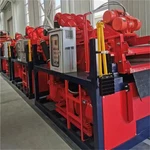

Operating a Tremie Rack efficiently and safely requires a comprehensive set of training programs. As a supplier of Tremie Rack, I understand the significance of equipping operators with the right skills and knowledge. In this blog, I will delve into the various types of training needed to operate a Tremie Rack effectively.
Theoretical Knowledge Training
Understanding the Equipment
Before an operator can start using a Tremie Rack, they must have a solid understanding of its structure, components, and working principles. The Tremie Rack is an essential part of the tremie pipe system, which is widely used in construction projects, especially in underwater concrete pouring.
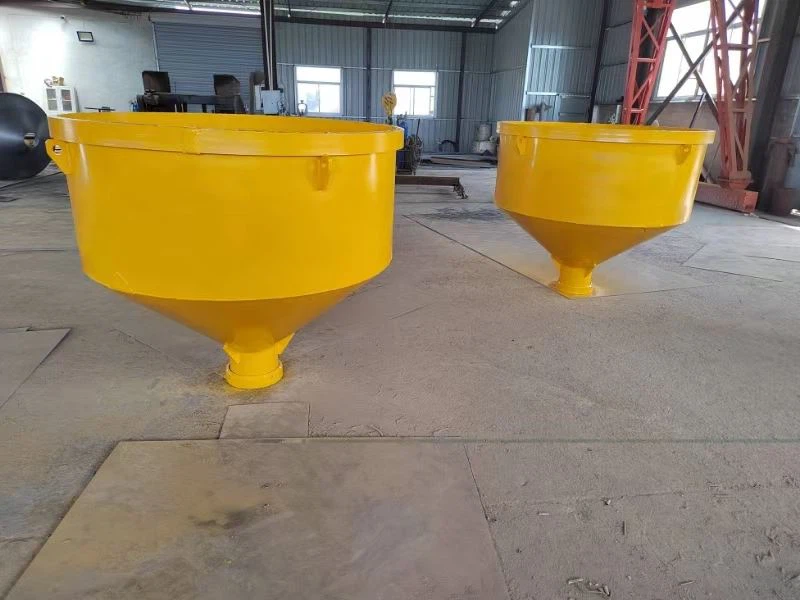
The main components of a Tremie Rack include the frame, hoist system, and control unit. The frame provides the structural support for the entire equipment, ensuring its stability during operation. The hoist system is responsible for lifting and lowering the tremie pipe, which is connected to the Tremie Coupling Cable. The control unit allows the operator to manage the movement and speed of the hoist system.
Operators should be trained to identify different parts of the Tremie Rack, understand their functions, and learn how they interact with each other. This knowledge will help them troubleshoot problems quickly and ensure the smooth operation of the equipment.
Safety Regulations
Safety is of utmost importance when operating a Tremie Rack. Operators must be well - versed in safety regulations and procedures to prevent accidents and injuries.

They should be trained on general construction safety rules, such as wearing personal protective equipment (PPE) like hard hats, safety glasses, and steel - toed boots. In addition, specific safety regulations related to the Tremie Rack operation need to be emphasized.
For example, operators should know how to properly secure the tremie pipe to the hoist system to prevent it from falling. They must also understand the weight limits of the hoist and avoid overloading the equipment. Training should also cover emergency procedures, such as what to do in case of a power failure or equipment malfunction.
Practical Skills Training
Equipment Setup
Proper setup of the Tremie Rack is crucial for its safe and efficient operation. Operators need to be trained on how to assemble the Tremie Rack at the construction site. This includes positioning the frame on a stable surface, installing the hoist system, and connecting all the necessary components.
They should also learn how to level the Tremie Rack to ensure that the tremie pipe can move vertically without any obstructions. During the setup process, operators need to check the integrity of all parts, such as bolts and cables, to make sure they are properly tightened and in good condition.
Operation Skills
Once the Tremie Rack is set up, operators need to learn how to operate it. This includes using the control unit to lift and lower the tremie pipe at the correct speed. They should be able to adjust the height of the tremie pipe according to the depth of the concrete pouring.
Operators also need to understand how to coordinate with other workers on the construction site. For example, they need to communicate with the concrete mixer operators to ensure a continuous supply of concrete through the Tremie Hopper.

In addition, they should be trained on how to handle different types of concrete mixtures. Different concrete mixtures have different flow characteristics, and operators need to adjust the operation of the Tremie Rack accordingly to ensure a uniform concrete pour.
Maintenance and Troubleshooting
Regular maintenance of the Tremie Rack is essential to keep it in good working condition. Operators should be trained on basic maintenance tasks, such as lubricating moving parts, checking cable tension, and inspecting the electrical system.
They also need to learn how to troubleshoot common problems. For example, if the hoist system is not working properly, operators should be able to identify whether it is a mechanical or electrical issue. They should know how to perform simple repairs or take appropriate measures to prevent further damage.
Simulation Training
Simulation training can be a valuable addition to the training program. By using simulation software, operators can practice operating the Tremie Rack in a virtual environment without the risk of real - world accidents.
Simulation training allows operators to experience different scenarios, such as abnormal concrete flow or equipment malfunctions. They can learn how to respond to these situations in a safe and controlled environment.
In addition, simulation training can be used to train multiple operators simultaneously, which can save time and resources. It also provides a platform for operators to improve their skills and confidence before operating the actual equipment.
On - the - Job Training
On - the - job training is an important part of the overall training process. New operators should work alongside experienced operators to learn practical skills and gain real - world experience.
During on - the - job training, new operators can observe how experienced operators handle different situations, such as dealing with difficult construction conditions or unexpected problems. They can also ask questions and receive immediate feedback from their mentors.
On - the - job training also helps new operators to integrate into the work environment and understand the team dynamics on the construction site.
Certification and Continuous Training
After completing the training program, operators should obtain a certification to prove their competence in operating the Tremie Rack. Certification programs usually include both theoretical and practical examinations.
Continuous training is also necessary to keep operators updated with the latest technologies and safety regulations. As the construction industry evolves, new features and improvements are made to the Tremie Rack and related equipment. Operators need to be trained on these new developments to ensure the safe and efficient operation of the equipment.

In conclusion, operating a Tremie Rack requires a combination of theoretical knowledge, practical skills, simulation training, on - the - job experience, and continuous learning. As a supplier of Tremie Rack, we are committed to providing comprehensive training programs to our customers to ensure the safe and efficient use of our equipment.
If you are interested in our Tremie Rack products or need more information about the training programs, please feel free to contact us for further procurement discussions.
References
- Construction Equipment Handbook
- Safety Regulations for Construction Machinery