

Hey there! As a casing joint supplier, I've seen firsthand the importance of extending the service life of these crucial components. Casing joints play a vital role in various industries, from oil and gas to construction, so making them last as long as possible is a big deal. In this blog, I'm gonna share some tips and tricks on how you can do just that.
1. Proper Installation
The first step in ensuring a long service life for your casing joint is getting the installation right. A faulty installation can lead to all sorts of problems down the line, like leaks, misalignment, and premature wear.
- Follow Manufacturer's Guidelines: This might sound obvious, but you'd be surprised how many people skip this step. Every casing joint is different, and the manufacturer's instructions are there for a reason. They'll tell you things like the correct torque settings, the type of lubricant to use, and the proper alignment procedures. Ignoring these guidelines can result in a joint that doesn't perform as it should and wears out faster.
- Use the Right Tools: Using the wrong tools during installation can cause damage to the casing joint. Make sure you have the proper torque wrenches, pipe wrenches, and other tools recommended by the manufacturer. Using tools that are too small or too large can lead to over - or under - tightening, which can weaken the joint and reduce its lifespan.
2. Regular Inspection
Regular inspections are key to catching problems early and preventing them from turning into major issues.
- Visual Inspections: Do a visual check of the casing joint regularly. Look for signs of wear, such as scratches, dents, or corrosion. Check the seals and gaskets for any signs of leakage or damage. If you notice any issues, address them right away.
- Non - Destructive Testing (NDT): For more in - depth inspections, consider using NDT methods like ultrasonic testing or magnetic particle testing. These methods can detect internal flaws in the casing joint that might not be visible to the naked eye. By identifying these flaws early, you can take steps to repair or replace the joint before it fails.
3. Maintenance and Lubrication
Proper maintenance and lubrication can significantly extend the service life of a casing joint.
- Cleaning: Keep the casing joint clean to prevent the buildup of dirt, debris, and corrosive substances. Use a mild detergent and a soft brush to clean the joint regularly. Make sure to dry it thoroughly after cleaning to prevent rust.
- Lubrication: Lubrication reduces friction between the moving parts of the casing joint, which helps to prevent wear and tear. Use a high - quality lubricant recommended by the manufacturer. Apply the lubricant at the recommended intervals, and make sure to cover all the critical areas of the joint.
4. Environmental Considerations
The environment in which the casing joint operates can have a big impact on its service life.
- Corrosion Protection: If the casing joint is exposed to a corrosive environment, such as saltwater or acidic chemicals, take steps to protect it from corrosion. You can use corrosion - resistant coatings or materials. For example, some casing joints are made from stainless steel or have a special coating that provides extra protection against corrosion.
- Temperature and Pressure: Extreme temperatures and pressures can also affect the performance and lifespan of a casing joint. Make sure the casing joint is rated for the temperature and pressure conditions in which it will be operating. If necessary, use insulation or pressure - relief devices to protect the joint.
5. Selecting the Right Casing Joint
Choosing the right type of casing joint for your application is crucial.
- Consider the Application: Different applications require different types of casing joints. For example, if you're working in the oil and gas industry, you might need a high - pressure, high - temperature casing joint. On the other hand, if you're in a construction project, a more standard casing joint might be sufficient.
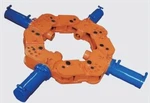
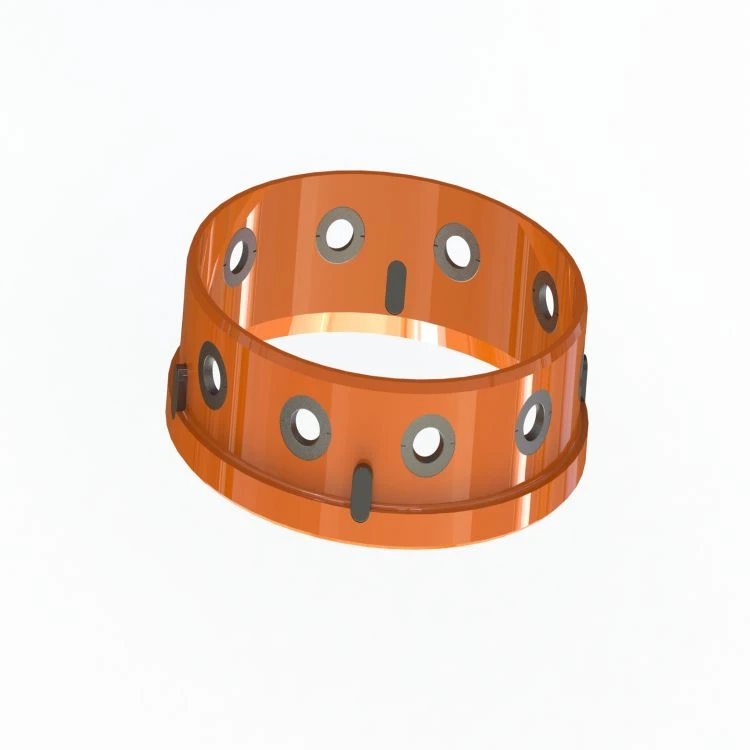
- Quality Matters: Always go for high - quality casing joints. Cheaper, low - quality joints might save you money upfront, but they'll likely cost you more in the long run due to frequent replacements. As a supplier, I offer a range of high - quality casing joints, including Forging Casing Joint, Bauer Casing Joint, and Replaceable Casing Joint. These joints are made from top - notch materials and are designed to last.
6. Training and Education
Proper training for the people who install, operate, and maintain the casing joint is essential.
- Installation Training: Make sure the installers are trained in the correct installation procedures. This will help to ensure that the casing joint is installed correctly from the start, which can prevent many problems down the line.
- Operation and Maintenance Training: Train the operators and maintenance personnel on how to operate and maintain the casing joint properly. They should know how to perform regular inspections, cleaning, and lubrication, as well as how to recognize and address potential problems.
7. Record Keeping
Keeping detailed records of the installation, inspection, maintenance, and any repairs or replacements of the casing joint can be very helpful.

- Tracking Performance: Records allow you to track the performance of the casing joint over time. You can see if there are any patterns of wear or failure, which can help you to make more informed decisions about future maintenance and replacement.
- Warranty and Compliance: Good record - keeping can also be useful for warranty claims and compliance with industry regulations. If you ever need to prove that the casing joint was installed and maintained correctly, your records will be your proof.
In conclusion, extending the service life of a casing joint requires a combination of proper installation, regular inspection, maintenance, environmental protection, and the right selection of the joint. By following these tips, you can get the most out of your casing joint and save money in the long run.
If you're in the market for high - quality casing joints or have any questions about how to extend their service life, don't hesitate to reach out. We're here to help you find the best solution for your needs. Contact us for more information and let's start a conversation about your casing joint requirements.
References
- "Handbook of Casing and Tubing Design and Applications" by Terry A. Penberthy
- Industry standards and guidelines from relevant organizations such as API (American Petroleum Institute)