

Improving the sealing performance of a casing joint is crucial in various industries, especially in oil and gas exploration, construction, and other fields where the integrity of the pipeline system is of utmost importance. As a casing joint supplier, we understand the significance of providing high - quality products with excellent sealing capabilities. In this blog, we will discuss several effective ways to enhance the sealing performance of casing joints.
1. Material Selection
The choice of materials for casing joints has a profound impact on their sealing performance. High - quality materials with good mechanical properties and corrosion resistance are essential. For instance, steel alloys are commonly used due to their strength and durability. Among them, 25crmo Casing Joint is a popular option. The 25CrMo steel has a proper combination of carbon and alloying elements, which gives it high hardenability, good toughness, and excellent fatigue resistance. This material can withstand high pressures and harsh environmental conditions, reducing the risk of leakage at the joint.
Another important aspect is the material's compatibility with the fluid or gas that will flow through the casing. For example, in corrosive environments, materials with high corrosion resistance such as stainless steel or specialized alloys should be selected. This ensures that the casing joint does not degrade over time, maintaining its sealing integrity.


2. Precision Manufacturing
Precision manufacturing is key to achieving a good seal in casing joints. The dimensions of the joint, including the diameter, wall thickness, and thread pitch, must be within tight tolerances. Even a small deviation in these dimensions can lead to improper mating of the joint components, resulting in leakage.
Advanced manufacturing techniques such as CNC machining are often employed to ensure high precision. CNC machines can accurately cut and shape the casing joint parts, guaranteeing that they fit together perfectly. Additionally, the surface finish of the joint is also crucial. A smooth surface reduces friction and allows for better contact between the mating parts, enhancing the sealing effect.
3. Sealing Design
The design of the sealing mechanism in a casing joint plays a vital role in its performance. There are several types of sealing designs available, each with its own advantages and applications.
One common design is the use of rubber or elastomeric seals. These seals can provide a flexible and reliable seal, conforming to the irregularities of the joint surface. They are often used in low - to medium - pressure applications. For example, O - rings are a popular type of elastomeric seal. They are simple in design and can be easily installed in the casing joint. However, it is important to select the right type of elastomer based on the operating temperature, pressure, and chemical compatibility.
Another design is the metal - to - metal seal. This type of seal relies on the direct contact between two metal surfaces to create a seal. Metal - to - metal seals are suitable for high - pressure and high - temperature applications. They offer excellent durability and can withstand harsh operating conditions. However, they require high precision in manufacturing to ensure a proper seal.
4. Installation and Maintenance
Proper installation of the casing joint is essential for its sealing performance. During installation, it is important to follow the manufacturer's instructions carefully. This includes cleaning the joint surfaces, applying the appropriate lubricant, and tightening the joint to the specified torque. Over - tightening or under - tightening the joint can both lead to sealing problems.
Regular maintenance is also necessary to ensure the long - term sealing performance of the casing joint. This includes inspecting the joint for signs of wear, corrosion, or damage. Any damaged parts should be replaced promptly. For example, if the elastomeric seal shows signs of aging or cracking, it should be replaced with a new one.
5. Quality Control
Quality control is an integral part of ensuring the sealing performance of casing joints. As a casing joint supplier, we implement strict quality control measures throughout the manufacturing process. This includes raw material inspection, in - process inspection, and final product testing.
Raw material inspection ensures that only high - quality materials are used in the production of the casing joints. In - process inspection monitors the manufacturing process to detect and correct any potential issues early. Final product testing involves subjecting the casing joints to various tests, such as pressure testing and leak testing. These tests simulate the actual operating conditions and verify that the joint meets the required sealing standards.
6. Compatibility with Accessories
Casing joints often work in conjunction with other accessories such as couplings, valves, and flanges. It is important to ensure that these accessories are compatible with the casing joint in terms of size, material, and sealing requirements. For example, if a coupling is used to connect two casing joints, it should have the same sealing rating and material compatibility as the joints. This ensures a seamless connection and maintains the overall sealing performance of the pipeline system.
7. Training and Education
Providing training and education to the end - users of the casing joints is also important. This helps them understand the proper installation, operation, and maintenance procedures of the joints. Well - trained users are more likely to handle the casing joints correctly, reducing the risk of sealing failures.
We, as a casing joint supplier, offer training programs to our customers. These programs cover topics such as joint installation, sealing principles, and troubleshooting. By empowering our customers with knowledge, we can ensure that our casing joints perform at their best in their applications.
Conclusion
Improving the sealing performance of a casing joint requires a comprehensive approach that includes material selection, precision manufacturing, proper sealing design, correct installation and maintenance, strict quality control, compatibility with accessories, and training and education. As a casing joint supplier, we are committed to providing high - quality products that meet the highest standards of sealing performance.
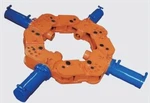
If you are in need of high - quality casing joints with excellent sealing capabilities, we invite you to contact us for procurement and further discussions. We have a wide range of casing joints available, including Replaceable Casing Joint and Forging Casing Joint, to meet your specific requirements.
References
- ASME Boiler and Pressure Vessel Code
- API Specification 5CT for Casing and Tubing
- ISO Standards for Pipeline Components and Sealing Systems