


Measuring the wear of a kelly bar is a crucial aspect for any construction or drilling operation that relies on this essential equipment. As a kelly bar supplier, I understand the significance of accurately assessing wear to ensure the safety, efficiency, and longevity of the equipment. In this blog post, I will share some valuable insights on how to measure the wear of a kelly bar effectively.
Understanding the Kelly Bar and Its Importance
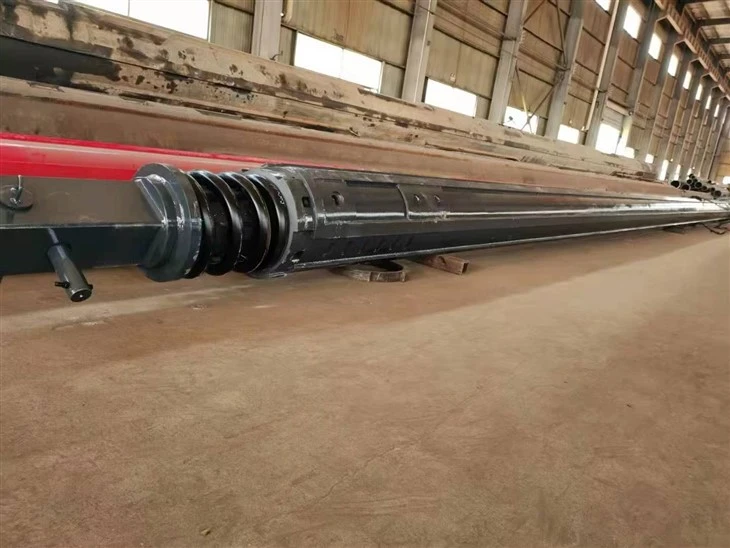
Before delving into the measurement techniques, it's essential to have a clear understanding of what a kelly bar is and its role in drilling operations. A kelly bar is a long, hollow steel tube that is used to transmit torque and rotation from the drilling rig to the drill bit. It is a critical component in rotary drilling rigs, enabling the drill bit to penetrate the ground and create boreholes for various applications, such as foundation construction, geotechnical investigations, and mineral exploration.
There are different types of kelly bars available in the market, each designed to suit specific drilling requirements. For instance, the Deep Foundation Application Friction Kelly Bar is ideal for deep foundation work, providing high torque transmission and stability. The Locking Kelly Bar Of Rotary Drilling Rig is designed with a locking mechanism to prevent the bar from slipping during operation, ensuring precise drilling. And the Bauer Interlocking Kelly Bar offers excellent interlocking capabilities, enhancing the overall performance of the drilling rig.
Factors Affecting Kelly Bar Wear
Several factors can contribute to the wear of a kelly bar. Understanding these factors is crucial as it helps in identifying the areas that are most prone to wear and taking appropriate preventive measures.
- Drilling Conditions: The type of soil or rock being drilled through has a significant impact on kelly bar wear. Hard and abrasive materials, such as granite or gravel, can cause more rapid wear compared to softer soils like clay or sand.
- Drilling Speed and Pressure: High drilling speeds and excessive pressure can increase the friction between the kelly bar and the drill bit, leading to accelerated wear. It's important to operate the drilling rig within the recommended speed and pressure limits.
- Lubrication: Proper lubrication is essential to reduce friction and wear. Insufficient lubrication can cause the kelly bar to overheat and wear out more quickly.
- Maintenance: Regular maintenance, including cleaning, inspection, and replacement of worn parts, is crucial to ensure the optimal performance of the kelly bar. Neglecting maintenance can lead to premature wear and potential equipment failure.
Measuring Kelly Bar Wear
There are several methods available for measuring the wear of a kelly bar. The choice of method depends on various factors, such as the type of kelly bar, the level of accuracy required, and the available resources.
Visual Inspection
Visual inspection is the simplest and most basic method of assessing kelly bar wear. It involves a thorough examination of the kelly bar for any visible signs of damage, such as cracks, dents, or excessive wear on the surface. During the inspection, pay close attention to the following areas:
- External Surface: Check for scratches, abrasions, and signs of corrosion on the outer surface of the kelly bar.
- Threaded Connections: Inspect the threaded connections for any signs of wear or damage. Loose or damaged threads can affect the stability and performance of the kelly bar.
- Interlocking Mechanisms: If the kelly bar has an interlocking mechanism, check for proper alignment and smooth operation. Any signs of wear or misalignment can indicate potential problems.
Dimensional Measurement
Dimensional measurement involves using measuring tools, such as calipers, micrometers, or gauges, to measure the critical dimensions of the kelly bar. By comparing the measured dimensions with the original specifications, it's possible to determine the amount of wear. Some of the key dimensions to measure include:
- Wall Thickness: The wall thickness of the kelly bar is an important parameter. A significant reduction in wall thickness can indicate excessive wear and may compromise the structural integrity of the bar.
- Diameter: Measuring the diameter of the kelly bar at various points can help identify any localized wear or deformation.
- Length: Changes in the length of the kelly bar can also be an indication of wear or damage.
Non - Destructive Testing (NDT)
Non - destructive testing methods can provide more in - depth information about the internal condition of the kelly bar without causing any damage. Some common NDT methods used for kelly bar inspection include:
- Ultrasonic Testing (UT): UT uses high - frequency sound waves to detect internal flaws, such as cracks or voids, in the kelly bar. It is a highly accurate method for detecting hidden defects.
- Magnetic Particle Testing (MT): MT is used to detect surface and near - surface defects in ferromagnetic materials. It involves applying a magnetic field and magnetic particles to the surface of the kelly bar. Any defects will cause the magnetic particles to accumulate, making them visible.
- Dye Penetrant Testing (PT): PT is a simple and effective method for detecting surface - open defects. It involves applying a colored dye to the surface of the kelly bar, allowing it to penetrate into any cracks or defects. After removing the excess dye, a developer is applied to make the defects visible.
Establishing a Wear Monitoring Program
To ensure the long - term performance and safety of the kelly bar, it's important to establish a comprehensive wear monitoring program. This program should include the following elements:

- Regular Inspections: Conduct regular visual inspections and dimensional measurements at predetermined intervals. The frequency of inspections depends on the usage and operating conditions of the kelly bar.
- Record Keeping: Maintain detailed records of all inspections, measurements, and maintenance activities. This information can be used to track the wear history of the kelly bar and identify any trends or patterns.
- Threshold Limits: Define acceptable wear limits for each critical dimension of the kelly bar. Once the wear exceeds these limits, appropriate action, such as repair or replacement, should be taken.
- Training: Provide training to the operators and maintenance personnel on the proper inspection and measurement techniques. This ensures that the wear monitoring program is carried out effectively.
Preventive Measures
In addition to measuring and monitoring wear, taking preventive measures can significantly reduce the wear rate of the kelly bar and extend its service life. Some preventive measures include:
- Proper Operation: Operate the drilling rig within the recommended speed and pressure limits. Avoid sudden starts and stops, as they can cause excessive stress on the kelly bar.
- Lubrication: Ensure that the kelly bar is properly lubricated at all times. Use high - quality lubricants that are suitable for the operating conditions.
- Cleaning: Keep the kelly bar clean to prevent the accumulation of dirt, debris, and corrosive substances. Regular cleaning can also help in early detection of any potential problems.
- Replacement of Worn Parts: Replace worn parts, such as bushings, seals, and threads, in a timely manner. Using worn parts can lead to further damage and accelerated wear of the kelly bar.
Conclusion
Measuring the wear of a kelly bar is an essential part of ensuring the safe and efficient operation of drilling equipment. By understanding the factors affecting wear, using appropriate measurement methods, and implementing a comprehensive wear monitoring program, it's possible to extend the service life of the kelly bar and reduce the risk of equipment failure.
As a kelly bar supplier, we are committed to providing high - quality products and comprehensive support to our customers. If you are in the market for a kelly bar or need assistance with wear measurement and maintenance, please feel free to contact us for a detailed discussion. We look forward to working with you to meet your drilling needs.
References
- "Drilling Rig Handbook" by John Smith
- "Foundation Drilling Technology" by Peter Johnson
- Industry standards and guidelines for kelly bar inspection and maintenance.