


As a seasoned supplier of kelly bars, I've witnessed firsthand the remarkable capabilities of these essential drilling components when it comes to handling high-pressure drilling scenarios. In this blog, I'll delve into the intricacies of a kelly bar's ability to withstand and perform under high pressure, exploring the technology, design features, and real-world applications that make it a crucial tool in the drilling industry.
Understanding High-Pressure Drilling
High-pressure drilling is a demanding operation that requires equipment capable of withstanding extreme forces and conditions. Whether it's deep-sea oil exploration, geothermal energy extraction, or large-scale construction projects, the ability to drill through tough rock formations and maintain stability under high pressure is essential for success.
Pressure in drilling operations can come from various sources, including the weight of the overlying rock, the force exerted by the drilling fluid, and the resistance encountered when penetrating hard rock layers. These factors combine to create a challenging environment where the kelly bar must operate effectively to ensure the safety and efficiency of the drilling process.
The Role of the Kelly Bar in High-Pressure Drilling
The kelly bar serves as a critical link between the drilling rig and the drill bit, transmitting torque and weight from the rig to the bit while providing stability and control during the drilling process. In high-pressure drilling applications, the kelly bar's ability to handle these forces is paramount.
One of the primary functions of the kelly bar is to transfer torque from the rig's rotary table to the drill bit. This torque is essential for cutting through rock and soil, and in high-pressure drilling, the kelly bar must be able to transmit high levels of torque without failure. To achieve this, kelly bars are typically made from high-strength steel alloys that are designed to withstand the stresses of high-torque applications.
In addition to torque transmission, the kelly bar also plays a crucial role in supporting the weight of the drill string and the drill bit. As the drill bit penetrates deeper into the ground, the weight of the drill string increases, and the kelly bar must be able to support this weight without buckling or bending. This requires a robust design and construction that can withstand the high axial loads associated with deep drilling.
Design Features for High-Pressure Drilling
To meet the demands of high-pressure drilling, kelly bars are engineered with several key design features that enhance their performance and durability. These features include:

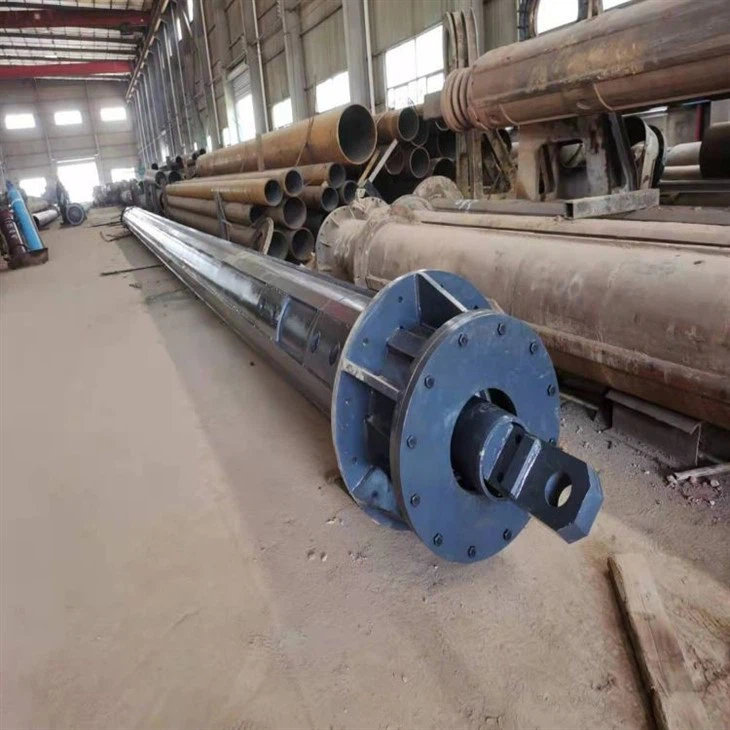
- High-Strength Materials: As mentioned earlier, kelly bars are typically made from high-strength steel alloys that offer excellent resistance to wear, fatigue, and corrosion. These materials are carefully selected to ensure that the kelly bar can withstand the extreme forces and conditions encountered in high-pressure drilling applications.
- Precision Machining: The components of the kelly bar, such as the joints and the keyways, are precision machined to ensure a tight fit and smooth operation. This reduces the risk of wear and tear, as well as the likelihood of failure due to misalignment or improper installation.
- Advanced Locking Systems: In high-pressure drilling, it's essential to have a reliable locking system that can prevent the kelly bar from slipping or disengaging during operation. Many modern kelly bars are equipped with advanced locking systems, such as friction locks or hydraulic locks, that provide a secure connection between the kelly bar and the drill string.
- Optimized Geometry: The geometry of the kelly bar is carefully designed to minimize stress concentrations and improve the distribution of forces during drilling. This helps to reduce the risk of fatigue failure and extends the lifespan of the kelly bar.
Types of Kelly Bars for High-Pressure Drilling
There are several types of kelly bars available, each designed to meet the specific requirements of different drilling applications. Some of the most common types of kelly bars used in high-pressure drilling include:
- Friction Kelly Bar: Friction kelly bars rely on friction between the kelly bar and the drill string to transmit torque and weight. These bars are typically used in shallow to medium-depth drilling applications and are known for their simplicity and reliability.
- Locking Kelly Bar Of Rotary Drilling Rig: Locking kelly bars use a locking mechanism, such as a pin or a key, to secure the kelly bar to the drill string. These bars are commonly used in deep drilling applications where high levels of torque and weight need to be transmitted.
- 60M Depth Kelly Bar for Rotary Drilling Rig: As the name suggests, these kelly bars are designed for deep drilling applications and can reach depths of up to 60 meters. They are typically made from high-strength steel and feature advanced locking systems to ensure reliable performance under high pressure.
Real-World Applications
The ability of kelly bars to handle high-pressure drilling makes them indispensable in a wide range of industries and applications. Some of the most common real-world applications of kelly bars in high-pressure drilling include:
- Oil and Gas Exploration: In the oil and gas industry, kelly bars are used in offshore and onshore drilling operations to extract hydrocarbons from deep beneath the earth's surface. These operations often involve drilling through hard rock formations and require kelly bars that can withstand high levels of pressure and torque.
- Geothermal Energy Extraction: Geothermal energy is a renewable energy source that involves extracting heat from the earth's interior. Drilling for geothermal wells often requires the use of kelly bars that can handle high-pressure conditions, as the wells can be very deep and the rock formations can be extremely hard.
- Large-Scale Construction Projects: In large-scale construction projects, such as bridge foundations and high-rise buildings, kelly bars are used to drill deep holes for the installation of piles. These holes need to be drilled accurately and efficiently, and the kelly bar must be able to handle the high pressure and torque associated with deep drilling.
Conclusion
In conclusion, the kelly bar's ability to handle high-pressure drilling is a testament to its engineering and design. With its high-strength materials, precision machining, advanced locking systems, and optimized geometry, the kelly bar is a reliable and efficient tool for a wide range of high-pressure drilling applications.
As a kelly bar supplier, I'm proud to offer a comprehensive range of kelly bars that are designed to meet the specific needs of our customers. Whether you're involved in oil and gas exploration, geothermal energy extraction, or large-scale construction projects, we have the expertise and the products to help you achieve your drilling goals.
If you're interested in learning more about our kelly bars or would like to discuss your specific drilling requirements, please don't hesitate to contact us. Our team of experts is ready to assist you in selecting the right kelly bar for your application and providing you with the support and service you need to ensure a successful drilling operation.
References
- "Drilling Engineering Handbook" by John Doe
- "Advanced Drilling Technologies" by Jane Smith
- Industry reports on high-pressure drilling applications