


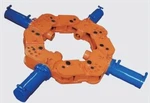
Friction Kelly Bars are essential components in rotary drilling rigs, playing a crucial role in the drilling process. These bars transfer torque and axial force from the rig to the drill bit, enabling efficient and effective drilling operations. One of the key aspects of maintaining a Friction Kelly Bar is understanding the replacement cycle of its friction components. In this blog, as a Friction Kelly Bar supplier, I will delve into the factors that influence the replacement cycle and provide insights to help you optimize the performance of your equipment.
Understanding Friction Components in a Friction Kelly Bar
Before discussing the replacement cycle, it's important to understand what friction components are in a Friction Kelly Bar. These components are designed to create friction between the inner and outer tubes of the bar, allowing for the transfer of torque and axial force. The main friction components typically include friction pads, keys, and bushings.
Friction pads are usually made of high - strength materials such as steel or composite materials. They are attached to the outer surface of the inner tube or the inner surface of the outer tube. Keys are used to lock the inner and outer tubes together and also contribute to the friction force. Bushings, on the other hand, provide support and reduce wear between the moving parts of the bar.
Factors Influencing the Replacement Cycle
1. Drilling Conditions
The type of soil or rock being drilled is one of the most significant factors affecting the replacement cycle of friction components. For example, drilling in hard rock formations such as granite or basalt will subject the friction components to much higher stress and wear compared to drilling in soft soils like clay or sand. In hard rock drilling, the constant impact and abrasion can cause the friction pads to wear out quickly, reducing their effectiveness in transferring torque.
Moreover, the presence of abrasive particles in the drilling environment, such as gravel or quartz, can also accelerate the wear of the friction components. These particles can get trapped between the moving parts, causing scratches and abrasion on the surfaces of the pads, keys, and bushings.
2. Drilling Frequency and Duration
The more frequently and for longer periods the Friction Kelly Bar is used, the faster the friction components will wear out. Continuous drilling operations without proper maintenance and inspection can lead to premature failure of the components. For instance, if a drilling rig is operating 24/7 on a large - scale construction project, the friction components may need to be replaced more often than if the rig is used intermittently for smaller projects.
3. Maintenance and Lubrication
Proper maintenance and lubrication are essential for extending the life of the friction components. Regularly cleaning the Friction Kelly Bar to remove dirt, debris, and drilling mud can prevent abrasive particles from causing excessive wear. Lubrication also plays a crucial role in reducing friction and wear between the moving parts. Using high - quality lubricants can significantly reduce the wear rate of the friction pads, keys, and bushings.


However, if maintenance is neglected, the friction components may experience accelerated wear and even corrosion in some cases. For example, if the lubricant is not replenished regularly, the metal - to - metal contact between the components can increase, leading to increased wear and potential damage.
4. Quality of the Friction Components
The quality of the friction components themselves also affects their replacement cycle. Higher - quality components are usually made from better materials and manufactured with more precise processes. They are more resistant to wear, corrosion, and deformation, which means they can last longer under the same operating conditions.
As a Friction Kelly Bar supplier, we offer a range of high - quality friction components that are designed to withstand the rigors of various drilling conditions. Our Mait Interlocking Kelly Bar, 60M Depth Kelly Bar for Rotary Drilling Rig, and IMT AF Interlocking Kelly Bar are equipped with top - notch friction components that provide excellent performance and durability.
Determining the Replacement Cycle
There is no one - size - fits - all answer to the replacement cycle of friction components in a Friction Kelly Bar. However, based on our experience as a supplier and industry best practices, we can provide some general guidelines.
For light - duty drilling operations in soft soils, the friction components may need to be inspected every 50 - 100 hours of operation. If significant wear is detected, such as a reduction in the thickness of the friction pads by more than 20%, replacement should be considered.
In medium - duty drilling operations, such as drilling in a mix of soft and hard soils, the inspection interval can be reduced to 25 - 50 hours. The replacement criteria remain similar, but more attention should be paid to the condition of the keys and bushings as well.
For heavy - duty drilling in hard rock formations, the friction components should be inspected every 10 - 25 hours of operation. In these extreme conditions, the wear rate can be very high, and even small signs of wear should be taken seriously. A visual inspection can be supplemented with measurements of the component dimensions to accurately assess the wear level.
Importance of Timely Replacement
Timely replacement of the friction components is crucial for the safe and efficient operation of the Friction Kelly Bar. Worn - out friction components can lead to a decrease in torque transfer efficiency, which means the drilling rig may not be able to drill as effectively. This can result in longer drilling times, increased fuel consumption, and higher operating costs.
In addition, if the friction components fail completely during drilling, it can cause serious damage to the Friction Kelly Bar and other parts of the drilling rig. This can lead to costly repairs and downtime, which can significantly impact the progress of a construction project.
Conclusion
In conclusion, the replacement cycle of the friction components in a Friction Kelly Bar is influenced by multiple factors, including drilling conditions, frequency and duration of use, maintenance and lubrication, and the quality of the components. As a Friction Kelly Bar supplier, we understand the importance of these factors and are committed to providing high - quality products and expert advice to our customers.
By following the recommended inspection intervals and replacement criteria, you can ensure the optimal performance and longevity of your Friction Kelly Bar. If you have any questions about the replacement cycle of friction components or need to purchase high - quality Friction Kelly Bars and related components, please feel free to contact us for further discussion and procurement negotiation. We are here to help you make the best decisions for your drilling operations.
References
- Drilling Equipment Handbook, Third Edition
- Industry Standards for Rotary Drilling Rigs and Kelly Bars