



A kelly bar is a crucial component in the construction and drilling industry, primarily used in foundation drilling rigs. It serves as a connection between the drilling rig's power source and the drill bit, transmitting torque and axial force to the bit during the drilling process. The length of a typical kelly bar is a topic of significant interest for contractors, engineers, and those involved in the drilling operations, as it can greatly affect the efficiency and effectiveness of the drilling process.
Factors Influencing the Length of a Kelly Bar
The length of a kelly bar is not randomly determined; instead, it is influenced by several key factors. One of the most important factors is the depth of the borehole that needs to be drilled. For shallow drilling projects, such as those for small - scale residential foundations, a shorter kelly bar may be sufficient. These projects typically require boreholes that are only a few meters deep. On the other hand, large - scale infrastructure projects like high - rise building foundations, bridge piers, or deep - sea drilling often demand much deeper boreholes, sometimes reaching dozens or even hundreds of meters. In such cases, longer kelly bars are necessary to reach the required depth.

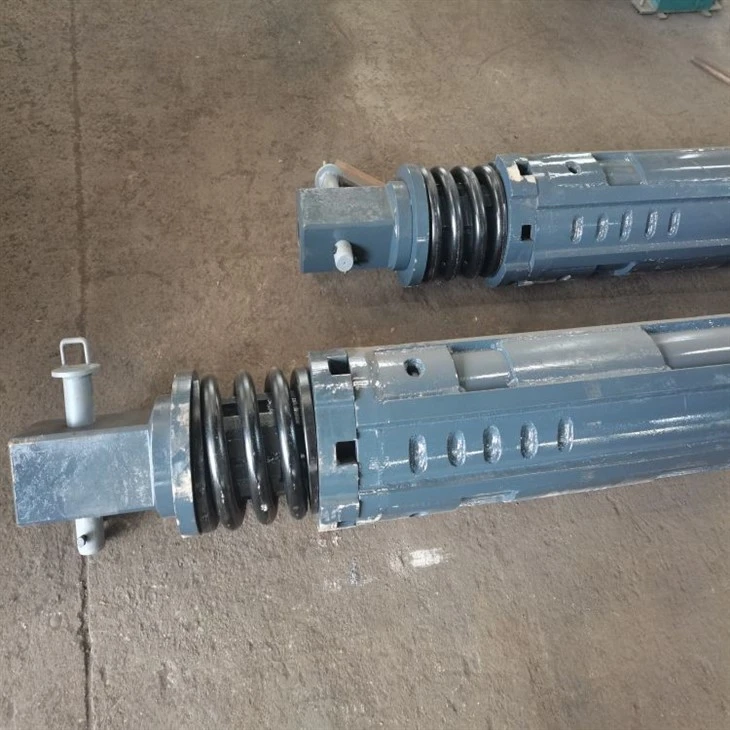
The type of drilling rig also plays a role in determining the appropriate kelly bar length. Different drilling rigs have different specifications and capabilities. Some rigs are designed for light - duty drilling work and are equipped to handle shorter kelly bars, while heavy - duty rigs can accommodate longer and more robust kelly bars. The rig's mast height is a critical factor here. The kelly bar needs to be able to fit within the mast's height during operation, and it also needs to be compatible with the rig's hoisting and rotating mechanisms.
Soil and rock conditions at the drilling site are another consideration. In areas with soft soil, the drilling process is generally easier, and the kelly bar may not need to be as long to achieve the desired depth. However, in hard rock formations, the drilling progress is slower, and more force is required. Longer kelly bars can provide better stability and allow for more efficient transmission of torque, which is essential for breaking through hard rock layers.
Typical Lengths of Different Types of Kelly Bars
There are mainly two types of kelly bars: friction kelly bars and interlocking kelly bars. Friction Kelly Bar rely on the frictional force between the sections to transmit torque. They are often used in relatively shallow drilling applications. The typical length of a friction kelly bar can range from 6 to 15 meters. These shorter lengths are suitable for projects where the borehole depth is not excessive, such as small commercial buildings or some light - industrial foundations.
Interlocking kelly bars, on the other hand, have a more complex design with interlocking sections that provide better torque transmission and stability. They are commonly used in deeper drilling projects. The 5 Section Interlocking Kelly Bar can have a length of around 20 to 30 meters. This type of kelly bar is well - suited for large - scale construction projects where deep boreholes are required, like high - rise buildings or large bridges. The 4 Section Interlocking Kelly Bar usually has a length ranging from 15 to 25 meters, which is also used in a variety of medium - to - large - scale drilling operations.
Custom - Made Kelly Bars
In some cases, standard lengths of kelly bars may not meet the specific requirements of a project. That's where custom - made kelly bars come into play. As a kelly bar supplier, we understand that every drilling project is unique, and we offer the option to customize kelly bars to meet the exact needs of our customers. Whether it's a special depth requirement, a specific rig compatibility issue, or an unusual soil condition, we can design and manufacture kelly bars of the appropriate length and specifications.
Custom - made kelly bars are engineered to provide optimal performance in the given project environment. Our team of experienced engineers works closely with the customers to understand their requirements, analyze the project conditions, and then design a kelly bar that will ensure efficient and successful drilling operations. The process involves careful consideration of factors such as material selection, section design, and connection mechanisms to ensure the kelly bar can withstand the forces and stresses during drilling.
Importance of Choosing the Right Length
Selecting the right length of kelly bar is of utmost importance for the success of a drilling project. An overly short kelly bar may not be able to reach the required borehole depth, which can lead to additional time and cost for extending the bar or using alternative drilling methods. On the other hand, an excessively long kelly bar can cause problems such as reduced stability, increased risk of bending or breakage, and difficulties in handling and transporting.
A well - chosen kelly bar length ensures smooth drilling operations. It allows for efficient torque transmission, which is essential for the drill bit to cut through the soil or rock effectively. It also helps in maintaining the verticality of the borehole, which is crucial for the integrity of the foundation. Moreover, the right length can improve the overall safety of the drilling site by reducing the risk of equipment failure and accidents.
Quality Assurance of Our Kelly Bars
As a kelly bar supplier, we are committed to providing high - quality products. Our kelly bars are manufactured using the latest technology and the highest - quality materials. We have a strict quality control system in place to ensure that every kelly bar meets or exceeds industry standards.
Before leaving our factory, each kelly bar undergoes a series of rigorous tests. These tests include non - destructive testing to detect any internal flaws, mechanical property testing to ensure the strength and durability of the material, and functional testing to verify its performance under simulated drilling conditions. Our quality assurance measures guarantee that our customers receive kelly bars that are reliable, long - lasting, and capable of delivering excellent results in their drilling projects.
Conclusion
The length of a typical kelly bar varies depending on multiple factors such as borehole depth, drilling rig type, and soil conditions. Friction kelly bars are generally shorter, ranging from 6 to 15 meters, while interlocking kelly bars can be longer, with 4 - section bars ranging from 15 to 25 meters and 5 - section bars from 20 to 30 meters. However, custom - made kelly bars are also available to meet the specific needs of unique projects.
Choosing the right length of kelly bar is crucial for the efficiency, safety, and success of drilling operations. As a professional kelly bar supplier, we are dedicated to providing our customers with high - quality kelly bars that are tailored to their requirements. If you are involved in a drilling project and need a reliable kelly bar, we invite you to contact us for a detailed discussion. Our team of experts is ready to assist you in selecting the most suitable kelly bar for your project.
References
- Drilling Equipment Handbook, various editions
- Industry standards and guidelines related to foundation drilling